Saudi Arabia's food delivery market crossed 12B SAR in 2025, with HungerStation, Jahez, and ToYou capturing the lion's share of urban orders. The defining feature of these platforms is brutal: visibility decays fast, and ranking compounds. The brands at the top of the list every morning collect the orders. Everyone else fights for scraps.
§1. The ranking flywheel
Rank is driven by three interlocking signals: order velocity, customer ratings, and prep-time reliability. Lose any one of them and the algorithm pushes you down. Our standard intervention is to fix prep-time first (it's free), boost velocity with sponsored placements, then defend ratings with proactive customer service.
§2. Photography is non-negotiable
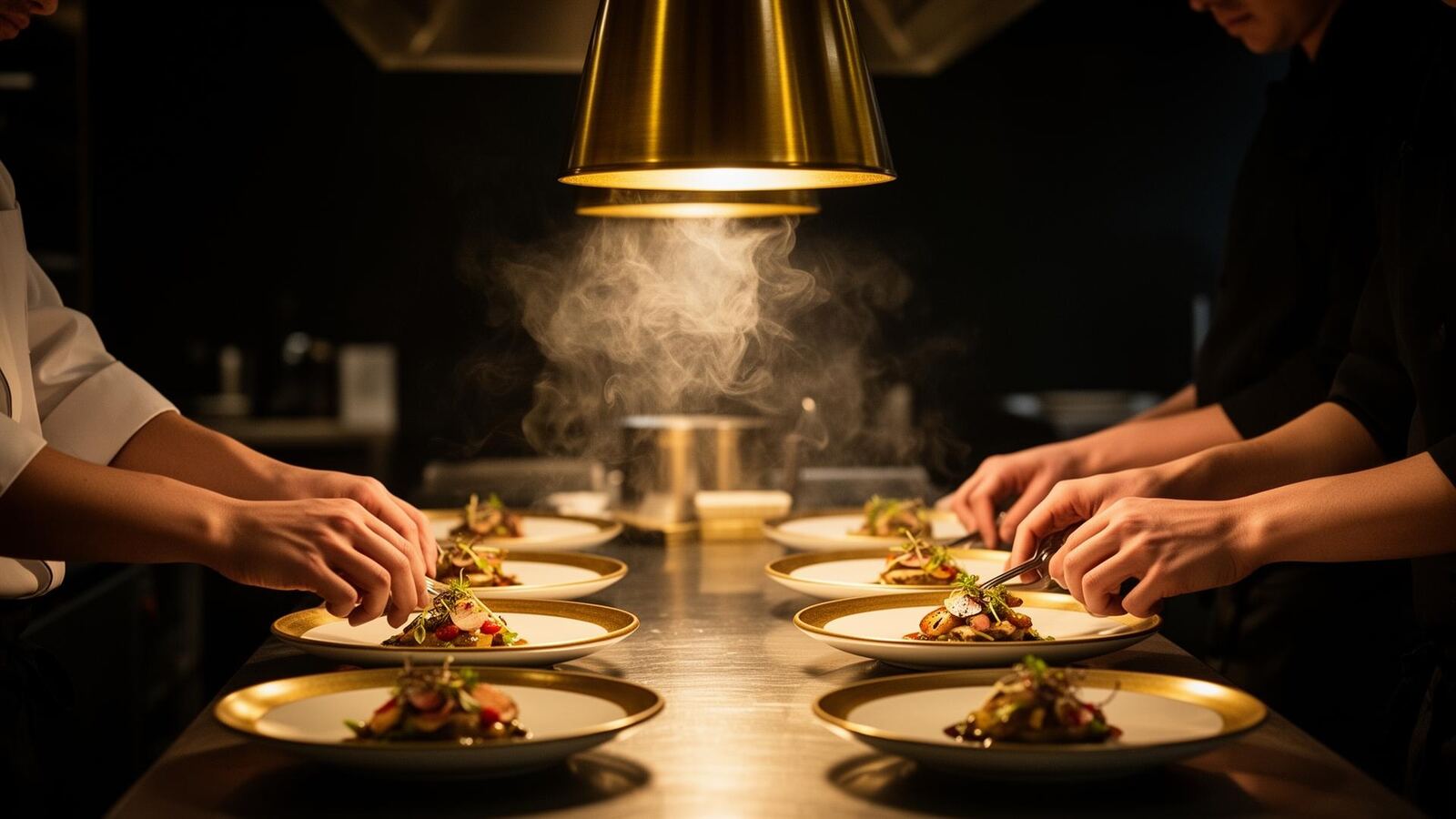
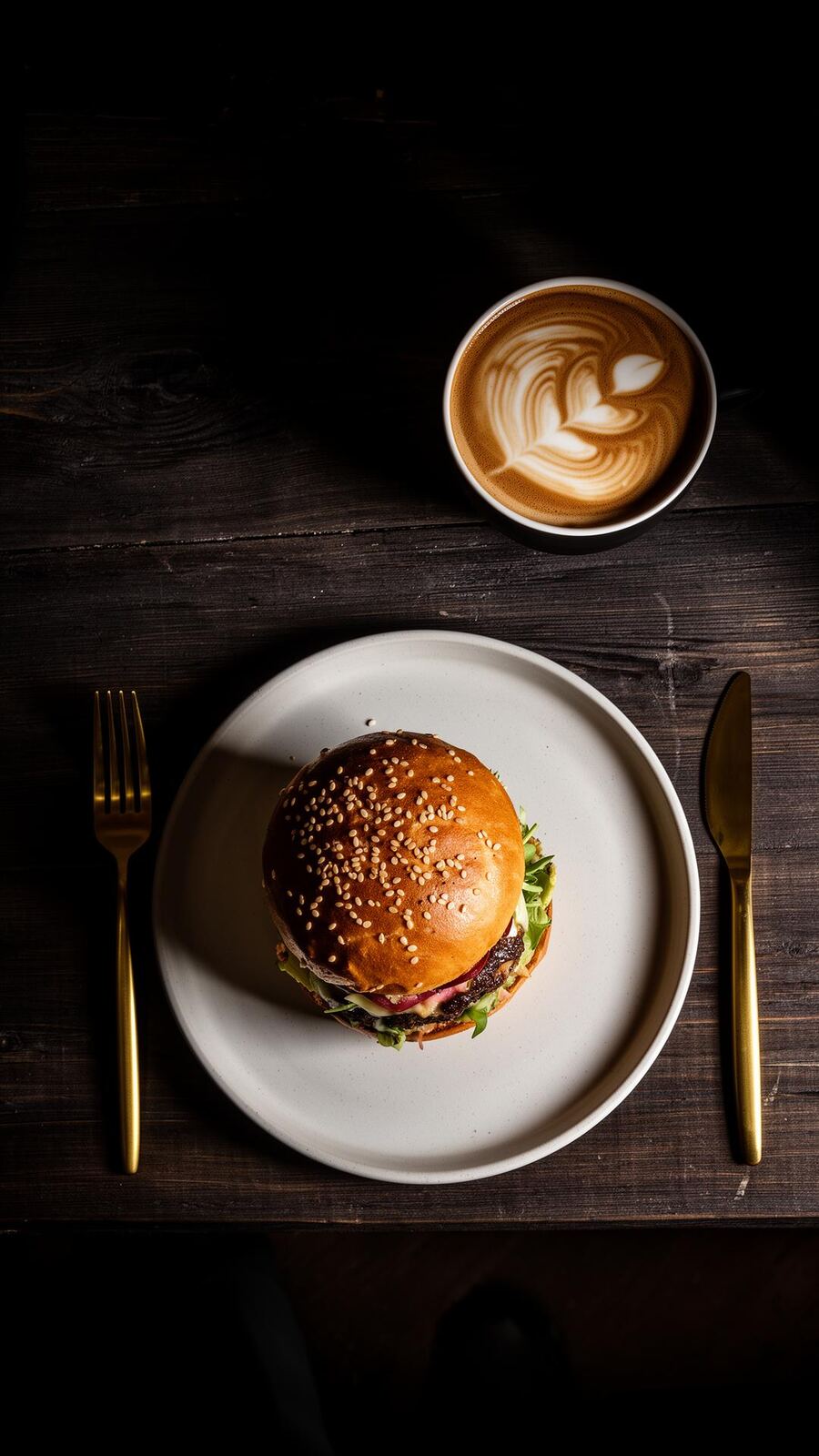
We've A/B tested this across 40+ clients. Replacing stock or phone-shot images with proper studio photography lifts add-to-cart by 18-34% on the same SKU. The ROI on a 4,000 SAR shoot pays back in 3-6 weeks.
§3. Pricing the menu like an algorithm
Aggregator buyers anchor heavily on the first three items in each category. We engineer those slots to be high-margin, photogenic, and priced just below the psychological ceiling for the category. Tail items exist to fill the AOV gap, not to win clicks.
§4. Sponsored placements: bid floor, not bid ceiling
Most operators overspend on sponsored slots by treating them like Google Ads. Aggregator auctions are sparse — bid the floor in your top districts, monitor share-of-voice daily, and only escalate when a competitor launches a campaign. The savings fund creative and discounts.
§5. Discounts that don't destroy margin
Stack a small free-item promo (low COGS) on top of a 20%-off-over-50-SAR threshold. The basket grows, the perceived value spikes, and your contribution margin actually improves. Deep blanket discounts — 30%+ off everything — are a trap.
If you do all five, expect +40% to +120% order growth in the first 90 days. We've never seen this stack fail when executed with discipline.