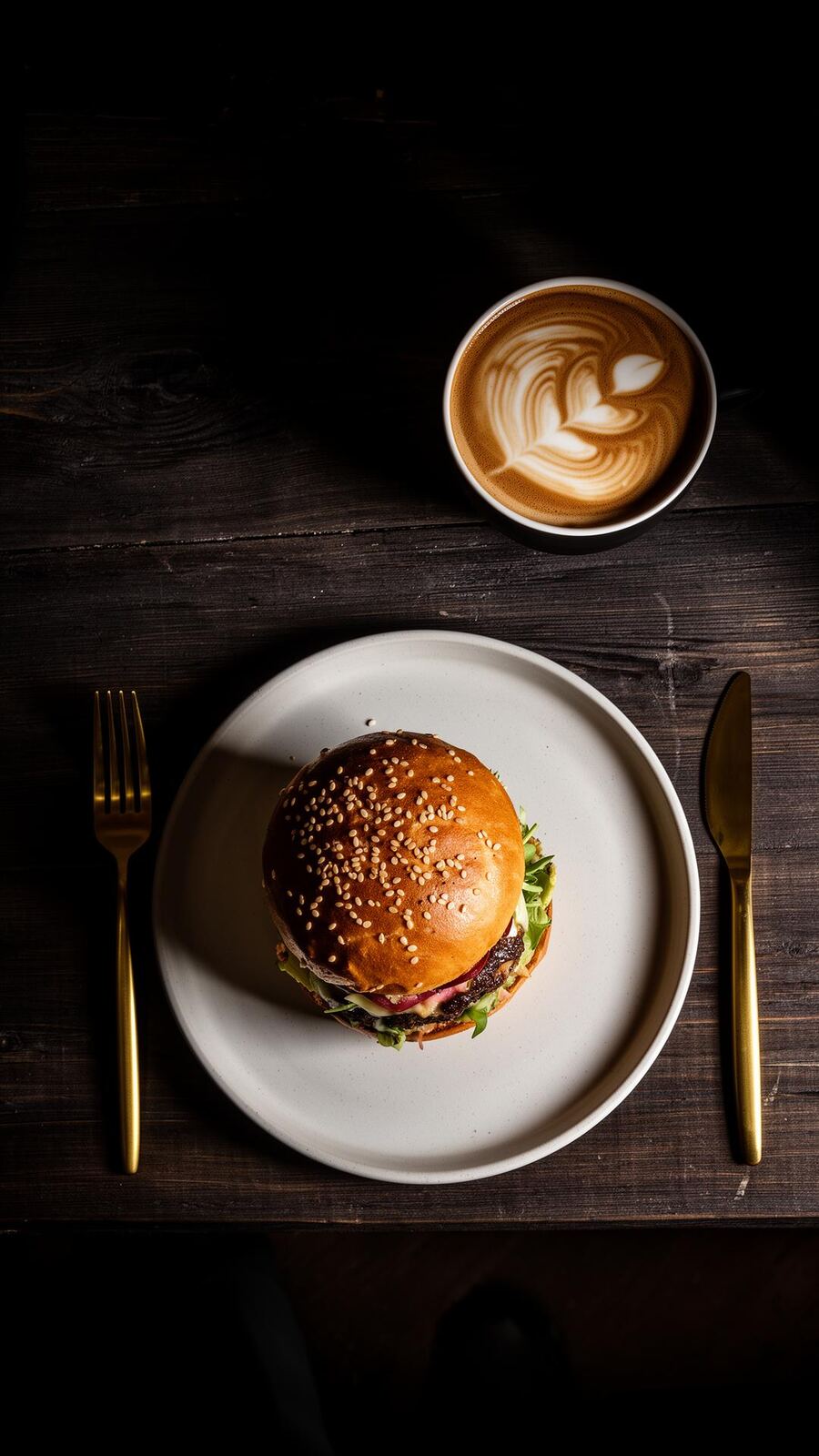
When we open a new client's P&L, the first thing we look at is the gap between menu price and food cost — by item, not by category. Most operators look at blended food cost. That's where the money hides.
§Build a 4-quadrant matrix
Plot every SKU on two axes: contribution margin (vertical) and order velocity (horizontal). High-margin + high-velocity = Stars. Promote them aggressively. High-velocity + low-margin = Workhorses. Re-engineer them. Low-velocity + high-margin = Puzzles. Re-photograph and re-position. Low-velocity + low-margin = Dogs. Cull them.
§Re-engineering workhorses
These are the items selling the most while making the least. Three levers: (1) ingredient swap — same perceived quality, lower COGS. (2) Portion calibration — most operators over-portion by 12-18%. (3) Strategic upsell pairing — bundle a high-margin add-on into the default order flow.
§The pricing ladder
Within each category, we structure 3 price points: Anchor (premium, sets perceived value), Hero (best margin, your push), and Entry (low price for AOV-builder bundles). Never have more than 3 — choice paralysis kills conversion.
When we run this exercise end-to-end, clients typically recover 10-18 percentage points of contribution margin in 30-60 days. No price increases. No customer backlash.